

Rainforests are some of the most important ecosystems on Earth. They help regulate climate, support biodiversity, and provide habitat for thousands of species—including sloths.
This April, we’re highlighting the Amazonia Program through Wildlife Conservation Network (WCN)—a program that supports local conservation leaders working to protect rainforest ecosystems across Latin America.
Because conservation doesn’t happen in isolation.
It happens through education, community, and leadership.

What Is the WCN Amazonia Program?
The WCN Amazonia Program supports emerging conservation leaders who are working to protect rainforest ecosystems in the Amazon region. The focus is on helping conservation efforts grow from within the communities closest to these habitats—where long-term protection is most likely to succeed.
Why Rainforest Conservation Helps Sloths
Sloths depend on healthy rainforest habitats for:
-
food sources
-
safe canopy cover
-
stable ecosystems that support long-term survival
When forests are degraded or fragmented, wildlife loses the connected habitats they need to thrive. Protecting rainforest ecosystems helps protect the animals that call them home—including the ones your kids are learning about this month.
Conservation Education That Feels Personal
Rainforest conservation can feel far away—especially for kids.
But when children learn about ecosystems, how animals depend on habitat, and how people protect wildlife, conservation becomes real. It becomes something they can understand, talk about, and care about.
That’s why we connect wildlife learning with real-world conservation.

How edZOOcation® Supports Rainforest Habitat Protection
At edZOOcation®, we believe education and conservation go hand in hand.
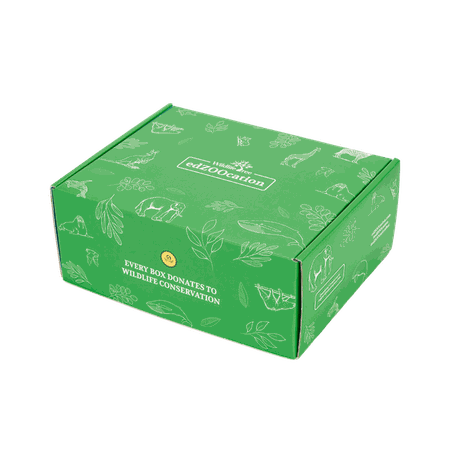
That’s why every April subscription supports rainforest conservation work connected to sloth habitats through our spotlight on WCN’s Amazonia Program.
When families learn together, kids don’t just memorize animal facts—they start building empathy, curiosity, and a sense of responsibility for the natural world.
A Simple At-Home Conservation Prompt
Try asking your child:
“What does a sloth need to survive?”
Then follow up with:
“What happens if its habitat changes?”
That one conversation can turn a fun animal theme into a real conservation connection.
Learn more about WCN’s Amazonia Program: https://wildnet.org
0 comments