

In a world where screens are often the easiest way to keep kids engaged, finding activities that spark curiosity and support learning can feel like a challenge. But when education feels more like play, kids stay interested—and that’s exactly what STEM offers.
STEM—science, technology, engineering, and math—can be introduced in fun, simple ways that fit into everyday life. These real-world activities help children explore, question, and discover on their own terms. No fancy equipment needed—just a little creativity and a spirit of exploration.

Why STEM Works for Kids
When children learn by doing, they engage more deeply. Measuring, building, observing, and experimenting all build critical thinking and problem-solving skills. And when things don’t work the first time? That’s part of the learning process.
STEM play helps develop a growth mindset and resilience—without the pressure of grades or tests. Whether it’s building a cardboard bridge or experimenting with kitchen chemistry, kids get to think like real scientists.
Easy STEM Ideas to Try at Home or School
You don’t need a lab. You don’t even need a plan. Everyday moments are full of STEM opportunities:
-
Sink or Float: Fill a tub with water. Predict what floats and sinks. Talk about why.
-
Baking Soda & Vinegar: A classic reaction that never gets old. Add food coloring or dish soap for variation.
-
Bug Hotel: Build a mini habitat from natural materials. Observe which insects visit.
These quick, playful activities work well at home or in the classroom and fit into busy schedules.
Learning Through Play
STEM is most effective when it doesn’t feel like school. Through play, kids naturally experiment and learn. There’s no fear of failure—only chances to try again.
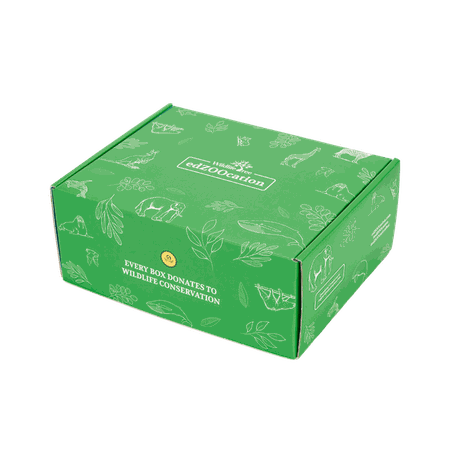
That’s why tools like kids subscription boxes have become popular with parents and educators. For example, edZOOcation creates hands-on science kits focused on wildlife and conservation. Each monthly box turns animal science into fun, age-appropriate projects. Kids build, observe, and explore, all while developing STEM skills.
STEM in the Classroom or Homeschool
Teachers and homeschoolers can apply these same ideas. A ramp for testing toy cars, a magnifying glass for nature walks, or a simple journal for tracking changes in weather—all support STEM learning.
Many educators have found success using pre-prepped kits to make science more engaging. Instead of just reading about animals, kids can build models, design habitats, or make predictions based on real-world data.

Making STEM Stick
Attention spans are short, but curiosity is endless. The trick is offering STEM in ways that feel like discovery. That might mean:
-
Going on a nature scavenger hunt
-
Solving problems with recycled materials
-
Doing kitchen experiments on a rainy day
These moments don’t just teach facts—they create memories. And for many families, they offer rare, screen-free bonding time.
Final Thought
STEM learning doesn’t require complicated tools or expensive programs. With just a few household items and a sense of play, families and educators can create experiences that support learning and spark a love for discovery.
Whether through spontaneous kitchen science or a carefully curated educational gift for kids, the goal is the same: to nurture curiosity and build skills that last a lifetime.
0 comments