

Along the chilly, kelp-lined coast of the Pacific lives one of the ocean’s most beloved animals: the sea otter.
You may spot one floating on its back, cracking open shellfish with a rock, grooming its thick fur, or wrapping itself in kelp so it does not drift away. But behind all that fuzzy charm is an animal with an important role to play.
Sea otters help keep coastal ecosystems healthy.
Once found from Baja California across the North Pacific Rim to Japan, sea otters were nearly hunted to extinction for their fur. Today, they are still missing from much of their historical range along the U.S. Pacific Coast.
Their story is not over, though. Conservationists, scientists, Tribal communities, and coastal partners are working together to help sea otters return.

Meet the Sea Otter
Sea otters are playful, clever, and deeply connected to the underwater habitats around them.
They are considered a keystone species, which means their presence can shape the health of an entire ecosystem.
Sea urchins are part of a sea otter’s diet. Without enough sea otters, urchin populations can grow and eat large amounts of kelp. When sea otters are present, they help keep those populations more balanced, giving kelp forests a better chance to grow.
Those swaying underwater forests provide food, shelter, and hiding places for fish, crabs, sea stars, and many other ocean animals.
Sea otters can also support the health of seagrass meadows, another important coastal habitat.
In other words, sea otters are a little like ocean gardeners.
Small paws. Big impact.

Conservation in Action: The Sea Otter Fund
Helping sea otters return to places where they once lived takes more than hope.
It takes scientific research, careful planning, community conversations, and cooperation between the people who live, work, and care for these coastlines.
That’s where the Sea Otter Fund comes in.
The Sea Otter Fund is Wildlife Conservation Network’s first marine-focused Wildlife Fund. Its vision is to help restore sea otters throughout their historical U.S. Pacific Coast range.
To move that work forward, the Fund supports conservation groups, scientists, Tribes, government agencies, and local communities working toward thoughtful sea otter restoration.
That includes:
- Scientific research and new technology
- Restoration and management planning
- Community outreach and education
- Collaboration with Tribal communities
- Partnerships with fishers, researchers, conservationists, and local leaders
Returning sea otters to their former range is not as simple as placing animals in the water and hoping for the best.
Successful restoration depends on careful, science-based solutions that consider both the animals and the coastal communities around them.

Why This Work Matters
Sea otters remind us that one animal can influence an entire habitat.
When sea otters help keep sea urchin populations balanced, kelp forests have more room to grow. Healthy kelp forests can shelter marine wildlife, support coastal food webs, and help ocean ecosystems become more resilient as conditions change.
The Sea Otter Fund is already helping turn that vision into real conservation work.
According to its 2026 World Otter Day Impact Report, the Fund has deployed $2 million across 11 projects with 14 partners. These projects support community engagement, research and technology, ecosystem restoration, planning, and collaboration between conservation partners.
Hope is not simply an idea here.
It is research being conducted, relationships being built, and careful plans moving forward.

Bring the Kelp Forest Home With edZOOcation®
The work of the Sea Otter Fund gives families a real conservation story to explore together.
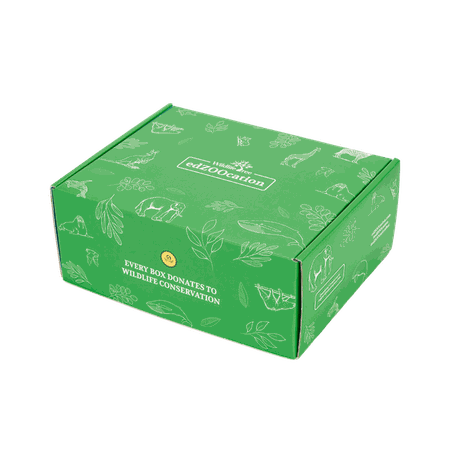
Through the edZOOcation Sea Otter Box, kids can discover how sea otters float, forage, groom, and survive in their chilly Pacific Ocean homes. They can also explore why kelp forests matter and how one fuzzy marine mammal can affect the wildlife around it.
With age-based books, hands-on activities, and Pacific Ocean ecosystem learning, the box helps children connect sea otter facts to the bigger habitat they are part of.
It is one thing to learn that a sea otter eats sea urchins.
It is another to see how that meal can help protect a waving kelp forest filled with fish, crabs, and sea stars.
By connecting animal learning to real conservation work, edZOOcation helps kids see that wildlife, habitats, and people are all connected.
Restoring Sea Otters, Restoring Hope
Sea otters once disappeared from much of their coastal home, but their comeback story is still being written.
Restoring them will take time, research, cooperation, and continued support. Through efforts like the Sea Otter Fund, more people are working toward a future where sea otters can once again thrive across more of their historical range.
And when sea otters return, their impact can ripple through the entire ecosystem.
More balanced sea urchin populations. Healthier kelp forests. Stronger coastal habitats. More room for ocean wildlife to feed, shelter, and grow.
Protecting sea otters means protecting the ocean homes they help care for, one kelp forest at a time.
The Sea Otter Fund is part of Wildlife Conservation Network (WCN), a nonprofit that supports conservationists and partners working to help wildlife and people coexist and thrive. Learn more about WCN at wildnet.org.
0 comments