

Sea otters live along chilly Pacific coastlines, where wavy kelp forests, rocky shores, tide pools, and rich ocean life give them food, shelter, and space to float. These fuzzy marine mammals may look playful, but they are also important helpers in their ocean ecosystems.
Sea otter habitats provide everything they need:
🌊 Kelp forests for resting, hiding, and finding food
🦀 Crabs, clams, mussels, snails, and sea urchins for meals
🦦 Dense fur that helps keep them warm in cold ocean water
🌿 Healthy ocean habitats filled with plants, animals, and tiny connections
Because kelp forests and coastal waters are full of life, many other creatures may share the space with sea otters, including:
• sea urchins
• sunshine sea stars
• crabs
• fish
• harbor seals
• seabirds
• snails and shellfish
Sea otters are sometimes called a keystone species because they help keep kelp forest ecosystems balanced. When sea otters eat sea urchins, they help protect kelp from being overgrazed. Healthy kelp forests can provide food, shelter, and safe spaces for many ocean animals.
Their role in the ecosystem makes them an incredible animal for kids to study while learning about ocean habitats, food webs, animal behavior, and conservation.
🌊 Resources from edZOOcation
Want to explore sea otters, kelp forests, tide pools, and the bigger Pacific Ocean ecosystem they are part of? These edZOOcation activities help kids connect sea otter learning to habitats, observation, crafts, and screen-light discovery.

📖 Free Pacific Ocean Ecosystem Activity Book
Kids can explore the chilly, colorful world sea otters call home with this free printable activity book.
Inside, they can discover fuzzy sea otters, sunshine sea stars, wavy kelp forests, tide pools, and ocean food webs. It is easy to print, simple to use, and made for quiet summer moments when you want something fun that still feels like real learning.
Download the Pacific Ocean Ecosystem Activity Book

🦦 Sea Otter Ecosystem Craft
This month’s sea otter activity helps kids build, bead, and balance an ocean ecosystem.
Zookeeper explorers can enjoy a sea otter craft made for younger hands, while older explorers can create a beaded sea otter and add it to a hanging ocean ecosystem mobile. As kids craft, they can see how sea otters, sea urchins, and kelp forests are all connected.
Download the Zookeeper Sea Otter Craft Instructions
Download the Zoologist and Conservationist Sea Otter Craft Instructions
🐠 Free Printable Aquarium Packet
Take the learning beyond the living room! This printable Aquarium Packet turns your next aquarium visit into a mini ocean research adventure.
Kids can spot marine animals, choose a favorite exhibit, observe behaviors, draw habitats, read conservation signs, and think about what every ocean animal needs to thrive. It is a perfect companion for Sea Otter Month and any family trip to an aquarium or coastal learning center.
🏕️ The Screen-Free Survival Guide for Kids
This free printable activity collection includes animal learning pages, observation prompts, travel activities, and creative screen-light ideas for families who want easy, low-prep learning without relying on screens.
Use it for road trips, quiet time, zoo or aquarium days, or summer afternoons when your child needs something meaningful to do.
Get the Screen-Free Survival Guide
👉 These hands-on and family-friendly resources make sea otter learning active, creative, and meaningful for kids.
🦦 More Sea Otter Learning and Conservation Connections
Sea otters are a powerful way to help kids understand how one animal can make a big difference in an ecosystem.
When sea otters are part of a kelp forest habitat, they help control sea urchin populations. Sea urchins eat kelp, and too many sea urchins can damage kelp forests. By eating sea urchins, sea otters help kelp forests stay healthier and full of life.
Pair these resources with the edZOOcation Pacific Ocean Ecosystem Activity Book or Aquarium Packet to help kids see the bigger picture:
Healthy sea otters, healthy kelp forests, and healthy ocean habitats are all connected.
🌍 Sea Otter Fund Conservation Connection
This month’s conservation partner is the Sea Otter Fund, which works to help restore sea otters along their historical U.S. Pacific Coast range.
The Sea Otter Fund supports sea otter restoration through collaboration, scientific research, planning, and conservation support that helps sea otters and the coastal ecosystems they call home.
Pair this resource with the edZOOcation Aquarium Packet to help kids see the bigger picture: healthy sea otters, healthy kelp forests, and healthy ocean habitats are all connected.

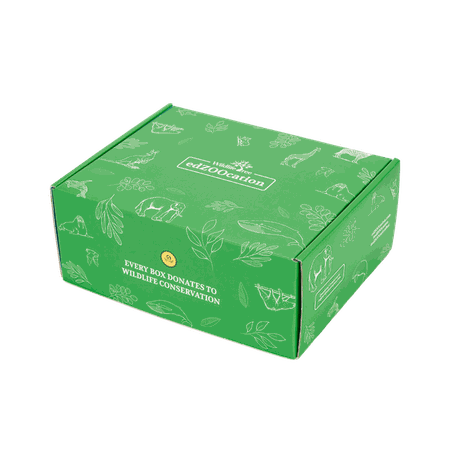
🎁 Inside This Month’s Sea Otter Box
Your Sea Otter Box for kids brings ocean learning to life.
🦦 Sea otter-themed plush
📖 Sea otter book and activity magazine
🌊 Pacific Ocean ecosystem learning materials
🎨 Hands-on sea otter activity
📚 Bookmark and collectible items
Each activity helps children explore sea otters, kelp forests, ocean food webs, and conservation through hands-on discovery.
Customize Your Explorer’s Box With:
Make your sea otter adventure even more exciting with optional add-ons and activity companions.
Add a quiet, screen-free activity to your ocean learning day. Kids can piece together an ocean scene, slow down, look closely, and spot the tiny details that make marine habitats feel full of life.
Dive into a sea of creativity with our Ocean Button Art Activity Kit! Explicitly designed for preschoolers aged 3 and up, this ocean-themed set is perfect for little hands eager to explore, create, and learn. It's not just fun; it's educational, helping to develop essential skills such as hand-eye coordination, fine motor abilities, and creative thinking.
Learn About Sea Otters by Age Group
We’ve curated books, videos, games, and activities about sea otters for kids so learning always feels just right.
🧸 Zookeeper (ages 3–5)
Perfect for early learners who love animal families, bright pictures, gentle videos, and playful ocean discovery.
Colorful Sea Stars Wildlife Tree edZOOcation™ Readers Book (Pre-Reader)
Pair sea otter learning with another kelp forest neighbor using Sea Stars in Many Colors edZOOcation Zookeeper Book. This is a gentle way to introduce young learners to ocean animals that may share habitats with sea otters.
Sea Otter Cam – Monterey Bay Aquarium
Watch sea otters float, groom, snack, and swim with the Monterey Bay Aquarium Sea Otter Cam. Live animal cams are a fun way for younger kids to practice noticing animal behavior in real time.
Try asking:
“What is the sea otter doing?”
“Is it eating, resting, swimming, or grooming?”
“What body parts help it live in the ocean?”
🌿 Zoologist (ages 6-8)
Great for curious learners ready to explore animal traits, observation skills, habitats, and survival strategies.
Sea Stars edZOOcation Zoologist Book
A wildlife reader that helps young zoologists ages 6–8 discover how sea stars live, move, eat, and fit into ocean habitats.
Whale Sharks edZOOcation Zoologist Book
Add more ocean context with a book about one of the ocean’s gentle giants. Kids can compare sea otters and whale sharks while thinking about food, habitat, size, movement, and survival.
Sea Otter Facts – Monterey Bay Aquarium
Use this kid-friendly resource to learn what sea otters eat, where they live, how they stay warm, and why they matter to kelp forests.
Kelp Forest Cam – Monterey Bay Aquarium
Help kids discover sea otter habitat with the Monterey Bay Aquarium Kelp Forest Cam. Ask them to look for hiding spaces, swimming animals, and places where sea otters might rest, hunt, or wrap themselves in kelp.
🔬 Conservationist (ages 9–12)
Ideal for older explorers ready to dive deeper into food webs, conservation questions, and real-world science.
All You Need to Know About Sea Stars edZOOcation Conservationist Book
Older kids can build stronger ecosystem connections while learning about sea stars, ocean habitats, animal adaptations, and the role different species play in coastal ecosystems.
All You Need to Know About Whale Sharks edZOOcation Conservationist Book
Use this book alongside sea otter research to compare different types of ocean animals, habitats, food sources, and conservation needs.
Wildlife Conservation Network: Sea Otter Fund
A real-world conservation resource showing how sea otter restoration can support coastal ecosystems, biodiversity, and healthier kelp and seagrass habitats.
Southern Sea Otter – U.S. Fish & Wildlife Service
Older kids can explore sea otter habitat, food, range, behavior, and conservation while learning why sea otters are such an important part of Pacific Coast ecosystems.
Kelp Forest Resource – Monterey Bay Aquarium
Use this resource to trace connections between kelp, sea urchins, crabs, fish, sea stars, sea otters, harbor seals, and seabirds.
Try this question:
“What might happen to the kelp forest if one animal became too rare or too common?”
🦦 Why Are Sea Otters Important?
Sea otters are important members of their ocean ecosystems.
As they float, dive, snack, groom, and hunt, they help keep kelp forest habitats in balance. By eating sea urchins, sea otters help protect the kelp forests that many animals depend on for food and shelter.
But sea otters face challenges.
Pollution, habitat changes, disease, boat traffic, and other human impacts can make survival harder for sea otters. That is why conservation work, ocean education, and everyday choices that protect waterways and coastlines matter.
Even kids can help by learning about sea otters, sharing ocean facts, reducing plastic waste, visiting conservation-focused aquariums, and caring for the habitats around them.
❓ Sea Otter Facts for Kids
Where do sea otters live?
Sea otters live along parts of the Pacific coast, often near kelp forests, rocky shores, and coastal waters.
What do sea otters eat?
Sea otters eat foods like sea urchins, crabs, clams, mussels, snails, and other small ocean animals.
How do sea otters stay warm?
Sea otters have incredibly dense fur that traps air and helps keep them warm in cold ocean water.
Why do sea otters float on their backs?
Sea otters often float on their backs to rest, groom, eat, and hold food while they crack open shells.
How do sea otters help kelp forests?
Sea otters eat sea urchins. Since sea urchins eat kelp, sea otters help keep the kelp forest ecosystem balanced.
How can kids help sea otters?
Kids can help by learning about sea otters, reducing plastic waste, keeping trash out of waterways, sharing sea otter facts, and supporting conservation organizations that protect ocean habitats.

💛 Why Parents Love edZOOcation
✔ Age-based learning levels
✔ Conservation-centered mission
✔ Engaging hands-on activities
✔ Screen-light enrichment
✔ Delivered to your door
Whether you’re looking for sea otter activities for kids, ocean animal resources, or meaningful family learning moments, edZOOcation helps children explore wildlife and conservation in fun, engaging ways.
👉 Share your sea otter-inspired learning with us using #edZOOcation.
0 comments