

Koalas live in the eucalyptus forests and woodlands of eastern and southern Australia, where tall trees provide food, shelter, shade, and places to rest.
These fuzzy animals may look like bears, but they are actually marsupials. Female koalas carry their babies, called joeys, inside a pouch while the babies continue developing. Koalas spend much of their time in trees, resting and feeding on the leaves of selected eucalyptus species.
Koala habitats provide important resources:
🌿 Eucalyptus leaves, flowers, and stems for food
🌳 Strong branches for climbing and resting
🍃 Tree cover for shade and shelter
🐨 Connected forests that help koalas move safely between trees
Eucalyptus forests are also home to birds, possums, gliders, insects, reptiles, and many other Australian animals. Each species plays its own role, but they all depend on a healthy, connected habitat.
That makes koalas incredible animals for kids to study while learning about habitats, adaptations, animal families, food sources, forest ecosystems, and conservation.

🌿 Resources From edZOOcation
Ready to explore koalas and the eucalyptus forests they call home?
These edZOOcation resources help children connect koala learning to observation, creativity, movement, and screen-light discovery.
🐾 Free Printable Zoo Packet
Take koala learning beyond the living room.
The edZOOcation Zoo Packet turns your next zoo visit into a mini wildlife research adventure. Children can search for animals, observe behavior, draw habitats, read conservation signs, and think about what each animal needs to thrive.
When visiting the koalas, encourage your child to look for:
-
Climbing feet and strong claws
-
Large ears and a wide nose
-
Favorite resting positions
-
Eucalyptus branches
-
Eating, grooming, climbing, or sleeping behaviors
🏕️ The Screen-Free Survival Guide for Kids
Need an easy activity for a quiet afternoon, road trip, zoo visit, or weekend at home?
The Screen-Free Survival Guide includes animal observation activities, travel activities, creative prompts, and low-prep learning ideas for families who want engaging alternatives to passive screen time.
Get the Screen-Free Survival Guide
These hands-on resources make koala learning active, creative, and meaningful—without turning it into another homework assignment.
🎥 Observe Real Koalas
Watching an animal closely is one of the best ways for children to practice scientific observation.
San Diego Zoo Koala Cam
The San Diego Zoo Koala Cam lets families observe koalas in real time from the Conrad Prebys Australian Outback habitat.
Before watching, invite your child to make a prediction:
“What do you think the koalas will be doing?”
While watching, create a simple behavior tally:
-
Resting
-
Eating
-
Climbing
-
Grooming
-
Looking around
-
Moving between branches
Afterward, compare the prediction with what your child observed.
Remember that live animals do not follow a schedule. Sometimes the koalas may be out of view—and waiting for them is part of practicing patience and real wildlife observation.
🌍 Koala Conservation Connection
Koalas depend on healthy eucalyptus forests for food, shelter, and safe places to care for their joeys.
This August, edZOOcation® is spotlighting Emerging Wildlife Conservation Leaders (EWCL). Wildlife Conservation Network partners with EWCL to help early-career conservationists gain mentorship, training, and hands-on experience leading wildlife projects.
Conservation doesn’t happen alone. Scientists, veterinarians, educators, field teams, and community leaders all bring different skills to one shared goal: helping wildlife and wild places thrive.
Try This at Home
Ask your child:
“What does a koala need to survive?”
Then ask:
“Who helps protect animals and their habitats?”
This simple conversation can help children see conservation as something real people do—and something they may one day do, too.
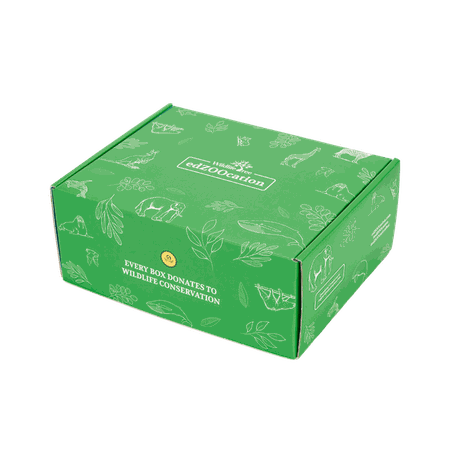
🎁 Inside the August Koala Box
Your August Koala Box brings eucalyptus forest learning to life through hands-on discovery.
🐨 Koala-themed plush
📖 Koala book and activity magazine
🌿 Eucalyptus ecosystem learning
🎨 Hands-on activity: Koala Clay Kit
📚 Bookmark and collectible items
Each component helps children investigate koalas, eucalyptus habitats, animal adaptations, and conservation at a level designed for their age group.

Learn About Koalas by Age Group
We have organized these koala books, videos, activities, and resources so children can learn at a level that feels exciting—not overwhelming or too young.
🧸 Zookeeper: Ages 3–5
Perfect for early learners who enjoy animal families, colorful pictures, repetition, gentle videos, and playful discovery.
So Cute! Koalas – Crispin Boyer
Packed with adorable photos and fun facts, So Cute! Koalas introduces young animal lovers to koalas in an engaging, easy-to-follow format. It’s a great choice for little explorers who love learning through bright pictures and bite-sized facts.
Koala Cam – San Diego Zoo Wildlife Explorers
Watch a real koala rest, climb, or eat.
Keep questions simple:
- Where is the koala?
- What is it doing?
- Can you pretend to climb like a koala?
- Can you curl up and rest like a sleepy koala?
🌿 Zoologist: Ages 6–8
Great for curious learners ready to investigate animal traits, habitats, food, survival strategies, and conservation.
Save the... Koalas – Anita Sanchez and Chelsea Clinton
Help young readers discover what makes koalas special, the challenges they face, and how people are working to protect them. This kid-friendly conservation book is a great way to connect koala facts with real-world wildlife protection.
Taronga Koala Resource
This resource helps children explore koala biology, habitat, and conservation through structured learning designed for elementary-age students.
🔬 Conservationist: Ages 9–12
Ideal for older explorers ready to investigate koala biology, habitat challenges, conservation, and real-world science.
The Ultimate Koala Book for Kids – Jenny Kellett
Dive deeper into the world of koalas with more than 100 facts, photos, a quiz, and a word search. This interactive wildlife guide gives older explorers an engaging way to independently investigate koala biology, behavior, adaptations, and life in Australia.
Australian Koala Foundation
Older children can examine where koalas live, what habitat they need, the challenges facing different populations, and the actions being taken to support their recovery.

🐨 Why Are Koalas Important?
Koalas are one part of a much larger eucalyptus forest community.
Their survival is closely connected to the health, variety, and location of the trees around them. Protecting koala habitat can also support many other animals that use the same forests.
Koalas can help children understand an important conservation lesson:
Protecting an animal also means protecting the place it calls home.
Koalas face real challenges, but conservation is not a hopeless story. Habitat restoration, scientific research, wildlife care, community education, and thoughtful land planning can all contribute to a healthier future.
Kids can take part by:
🌿 Learning about Australian wildlife
🗣️ Sharing koala facts with friends and family
♻️ Reducing unnecessary waste
🐾 Visiting zoos that participate in conservation
💛 Supporting reputable wildlife organizations
🌳 Caring for trees and habitats in their own communities
Small actions become more powerful when families, scientists, and communities take action together.
❓ Koala Facts for Kids
Are koalas bears?
No. Koalas are marsupials, which means females have a pouch where their babies continue developing.
What is a baby koala called?
A baby koala is called a joey.
Where do koalas live?
Koalas live in forests and woodlands across parts of eastern and southern Australia. Their habitats are often dominated by eucalyptus trees.
What do koalas eat?
Koalas have a specialized diet that includes leaves from selected eucalyptus species, along with some flowers and stems.
Why do koalas spend so much time resting?
Eucalyptus leaves provide limited energy and take time to be digested. Resting helps koalas conserve energy.
Do koalas leave their trees?
Yes. Koalas sometimes travel along the ground when they need to move between food and shelter trees.
What threats do koalas face?
Threats can include habitat loss and fragmentation, disease, drought, extreme heat, bushfires, vehicles, and dogs. The challenges differ among regions and koala populations.
How can kids help koalas?
Kids can learn about koalas, share what they discover, reduce waste, respect wildlife, support habitat protection, and encourage their families to make thoughtful choices for nature.

💛 Why Parents Love edZOOcation
✔ Learning levels designed for ages 3–12
✔ Conservation-centered wildlife education
✔ Engaging, hands-on activities
✔ Screen-light family enrichment
✔ Convenient resources delivered to your door
Whether you are searching for koala activities for kids, Australian animal resources, homeschool enrichment, or meaningful screen-free family learning, edZOOcation helps children explore wildlife in a way that feels exciting and approachable.
Share your koala-inspired learning with us using #edZOOcation.
0 comments