

Gorillas live in the tropical forests of equatorial Africa, where trees, vines, fruits, leaves, and rich plant life give them food, shelter, and space to move. These powerful great apes are gentle, social animals that live in family groups and play an important role in keeping forest ecosystems healthy.
These habitats provide everything gorillas need:
🌿 Leaves, stems, fruit, seeds, and roots for food
🌳 Dense forest cover for shelter
🦍 Family groups for safety, learning, and care
Because these forests are full of life, many other creatures may share the space with gorillas, including:
• forest elephants
• chimpanzees
• okapi
• birds
• insects
Gorillas are sometimes called forest gardeners because they help forests grow as they move, eat, and spread seeds through the habitat. Their role in the ecosystem makes them an incredible animal for kids to study while learning about rainforest habitats, animal behavior, and conservation.

🌿 Resources from edZOOcation
Want to explore gorillas, rainforest animals, and the bigger ecosystem they’re part of? These edZOOcation activities help kids connect gorilla learning to habitats, observation, movement, and screen-light discovery.
🎥 Rainforest Habitat Hustle
Kids can move, stretch, and explore through a rainforest-inspired brain break while learning how animals use forest habitats to survive. This is a great way to add movement to your gorilla learning day.
Watch the Habitat Hustle
🐾 Free Printable Zoo Packet
Take the learning beyond the living room! This printable Zoo Packet turns your next zoo visit into a mini wildlife research adventure.
Kids can spot animals, choose a favorite exhibit, observe behaviors, read conservation signs, draw habitats, and think about what every animal needs to thrive. The packet even includes gorillas on the animal checklist, making it a perfect companion for this month’s gorilla theme.
Download the Zoo Packet
🏕️ The Screen-Free Survival Guide for Kids
This free printable activity collection includes a zoo packet, an aquarium packet, road trip bingo, and an animal comic strip—perfect for families who want easy, low-prep animal learning without relying on screens.
Download the Screen-Free Survival Guide
👉 These hands-on and family-friendly resources make gorilla learning active, creative, and meaningful for kids.
🦍 More Gorilla Learning from Conservation Through Public Health
This month’s conservation partner is Conservation Through Public Health, a Uganda-based organization working to protect endangered mountain gorillas by connecting wildlife health, human health, livestock health, and ecosystem health through a One Health approach.
CTPH helps protect gorillas through regular health monitoring, community conservation education, public health programs, sustainable agriculture, and practices that reduce pressure on forest habitats.
Pair these resources with the edZOOcation Zoo Packet to help kids see the bigger picture: healthy people, healthy wildlife, and healthy habitats are all connected.
🌍 CTPH Gorilla Conservation Program
Explore how scientists and community leaders work together to monitor gorilla health, protect forests, and support people living near gorilla habitats.

🎁 Inside This Month’s Gorilla Box
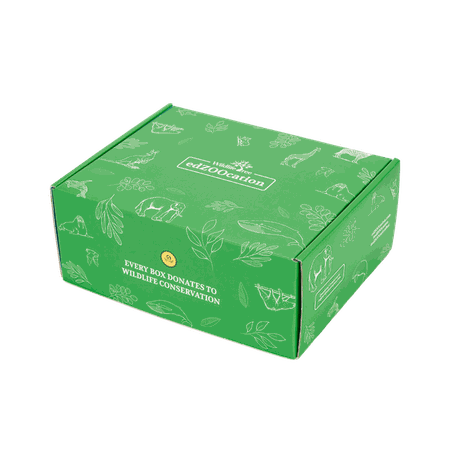
Your Gorilla Box for kids brings forest learning to life.
🦍 Gorilla-themed plush
📖 Gorilla book and activity magazine
🌳 Forest ecosystem learning materials
🎨 Hands-on gorilla activity
📚 Bookmark and collectible items
Each activity helps children explore gorillas, rainforest habitats, and conservation through hands-on discovery.

Customize Your Explorer’s Box With:
Make your gorilla adventure even more exciting with these optional add-ons.
🎁 Gorilla Enamel Pin
Add a touch of adventure to hats, vests, backpacks, or pencil cases with a collectible gorilla pin made for young wildlife explorers.
🦍 Fahlo Gorilla Tracking Bracelet
Track a real gorilla and learn about conservation through an interactive map experience that connects kids to wildlife in a memorable way.
🔎 Backyard Explorer Kit with Canvas Backpack
Give kids tools for outdoor discovery, including a bug net, bug cage, magnifying glass, tweezers, and a reusable tote backpack for real backyard exploration.
🔭 Kids Explorer Binoculars
Perfect for zoo visits, birdwatching, backyard adventures, and practicing observation skills like a real wildlife scientist.

Learn About Gorillas by Age Group
We’ve curated books, videos, games, and activities about gorillas for kids so learning always feels just right.
🧸 Zookeeper (ages 3–5)
Perfect for early learners who love animal families, bright pictures, gentle videos, and playful storytelling.
Baby Gorilla Cam – Netflix
Peek into the gorilla habitat at Cleveland Metroparks, where two young gorillas are adapting to life with their troop.
Meet the Okapi edZOOcation Zookeeper Book
A beginner-friendly wildlife reader that introduces young kids ages 3–5 to okapis using simple text, repetition, familiar ideas, and engaging photos.
Western Lowland Gorilla – San Diego Zoo Wildlife Explorers
A free kid-friendly gorilla fact page that introduces gorilla troops, forest life, and how baby gorillas stay close to their mothers.

🌿 Zoologist (ages 6–8)
Great for curious learners ready to explore animal traits, observation skills, habitats, and survival strategies.
Guess in 10: World of Animals
A fast, screen-free animal guessing game where kids ask yes-or-no questions, use clues, and build wildlife knowledge through play.
Okapi edZOOcation Zoologist Book
A wildlife reader that helps young zoologists ages 6–8 discover how okapis behave, what they eat, where they live, and how rainforest animals survive.
Mountain Gorilla – National Geographic Kids
A photo-rich resource that introduces mountain gorilla family life, silverbacks, habitat, and conservation in a kid-friendly way.
Gorilla Cam – Zoo Atlanta
A live observation tool where kids can watch western lowland gorillas and practice noticing behaviors like resting, climbing, eating, and interacting.

🔬 Conservationist (ages 9–12)
Ideal for older explorers ready to dive deeper into gorilla conservation, ecosystems, public health, and real-world science.
Walking With Gorillas: The Journey of an African Wildlife Vet – Dr. Gladys Kalema-Zikusoka
A powerful conservation connection about Dr. Gladys Kalema-Zikusoka, Uganda’s first wildlife veterinarian, and her work protecting endangered mountain gorillas while connecting human and wildlife health. Perfect for parent-guided reading, selected excerpts, or confident independent readers.
Conservation Through Public Health: Gorilla Conservation Program
A real-world conservation resource showing how gorilla health monitoring, community education, public health, and sustainable livelihoods work together to protect gorillas and forests.
🎬 A Gorilla Story: Told by David Attenborough
For a family watch, this Netflix documentary follows a remarkable group of gorillas through the years with narration from Sir David Attenborough. It’s a strong pick for older kids and family co-viewing, especially when paired with a conversation about gorilla behavior, family bonds, and conservation.
🦍 Why Are Gorillas Important?
Gorillas are important members of their forest ecosystems.
As they move through the forest eating plants, fruit, and seeds, they help spread seeds and support new plant growth. This helps forests stay healthy for many other animals that depend on the same habitat.
But gorillas face challenges.
Habitat loss, disease, human-wildlife conflict, and pressure on forest resources can make it harder for gorillas to survive. That’s why conservation programs that support both gorillas and nearby communities are so important.
Even kids can help by learning about gorillas, sharing what they know, supporting conservation organizations, and making everyday choices that protect wildlife and wild places.

❓ Gorilla Facts for Kids
Where do gorillas live?
Gorillas live in tropical forests in equatorial Africa. Mountain gorillas live in forested mountain regions in East Africa.
What do gorillas eat?
Gorillas mostly eat plant material, including leaves, stems, fruits, seeds, and roots.
What is a silverback?
A silverback is an adult male gorilla with silver-gray hair on his back. Silverbacks are the leaders and protectors of their family groups.
How do gorillas help forests?
Gorillas help forests by spreading seeds and fertilizing the soil as they move through their habitat.
How can kids help gorillas?
Kids can help by learning about gorillas, visiting zoos that support conservation, reducing waste, sharing gorilla facts, and supporting organizations like Conservation Through Public Health.
💛 Why Parents Love edZOOcation
✔ Age-based learning levels
✔ Conservation-centered mission
✔ Engaging hands-on activities
✔ Screen-light enrichment
✔ Delivered to your door
Whether you’re looking for gorilla activities for kids, rainforest animal resources, or meaningful family learning moments, edZOOcation helps children explore wildlife and conservation in fun, engaging ways.
👉 Share your gorilla-inspired learning with us using #edZOOcation.
0 comments