

Bees live in gardens, meadows, and fields where flowers bloom and pollen is easy to find.
These habitats provide everything bees need:
🌼 Nectar for energy
🌿 Pollen for food
🌞 Warm sunshine to stay active
Because these environments are full of life, many other creatures share the space with bees, including:
• butterflies
• hummingbirds
• beetles
• ants
• birds
Pollinators like bees play a huge role in keeping ecosystems healthy—and helping plants (and people!) thrive.

🌿 Resources from edZOOcation
Want to explore bees, pollinators, and the bigger ecosystem they’re part of? These edZOOcation activities help kids connect what happens in gardens and meadows to the habitats animals need everywhere.
🎥 Bumble Bee Habitat Hustle
Kids will buzz, wiggle, and explore as they learn how bees and butterflies move through their habitats and help ecosystems thrive.
🖍️ Make Your Own Bee Comic Strip
Let kids become pollinator storytellers! This printable bee comic strip invites children to draw their own bee adventure, from buzzing out of the hive to finding flowers and helping the garden grow. It’s a fun way to mix creativity, sequencing, and pollinator learning in one hands-on activity.
Download the Make Your Own Bee Comic Strip
🐾 Free Printable Zoo & Aquarium Packets
Take the learning beyond the backyard! Our printable Zoo Packet and Aquarium Packet turn your next visit into a mini wildlife research adventure.
Kids can spot animals, choose a favorite exhibit, observe behaviors, read conservation signs, draw habitats, and think about what every animal needs to thrive.
From bees in meadows to sea turtles in coral reefs, these activities help kids see how every habitat has a role in the bigger ecosystem.
Download the Zoo Packet Download the Aquarium Packet
👉 These hands-on resources make pollinator learning fun and active for kids.
🐝 More Bee Activities from The Bee Conservancy
Want even more ways to keep the pollinator learning going? The Bee Conservancy has a helpful collection of bee activities for kids that families can use to explore pollination, bee habitats, and simple ways to support pollinators at home.
Pair these activities with our Zoo and Aquarium Packets to help kids see the bigger picture: bees, plants, animals, and habitats are all connected in one amazing ecosystem.
Explore Bee Activities from The Bee Conservancy

🎁 Inside This Month’s Bee Box
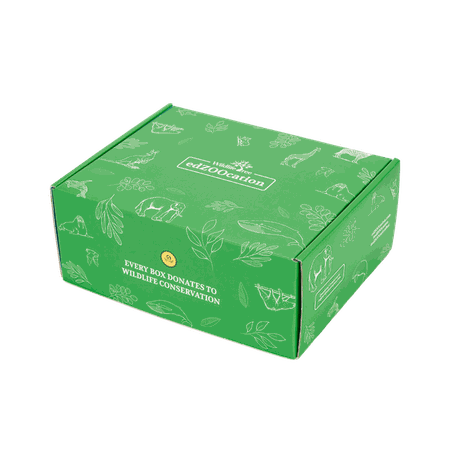
Your Bee Box for kids brings pollinator learning to life.
🐝 Bee-themed plush or model
📖 Bee book and activity magazine
🌼 Pollinator ecosystem learning materials
🎨 Hands-on bee craft activity
📚 Bookmark and collectible items
Each activity helps children explore pollinators and conservation through hands-on discovery.
>>>Click here to get your subscription now<<<

Customize Your Explorer’s Box With:
Make your pollinator adventure even more exciting with these optional add-ons.
🦺 Explorer Vest
Gear up like a real backyard scientist! This vest makes outdoor adventures and pollinator spotting even more exciting.
🔎 Bug Relocator Tool
Safely and gently move insects without harm—so kids can observe pollinators up close and release them back into nature.
Learn About Bees by Age Group
We’ve curated books, videos, and activities about bees for kids so learning always feels just right.

🧸 Zookeeper (ages 3–5)
Perfect for early learners who love bright pictures and playful storytelling.
The Very Greedy Bee – Steve Smallman
A fun and colorful story that introduces bees while teaching kindness and sharing.
Give Bees a Chance – Bethany Barton
A playful and engaging book that helps kids understand why bees are important (and not so scary!).
Buzz! Buzz! Bees (National Geographic Kids)
Simple facts and bright images make learning about bees exciting for little learners.
An entertaining episode exploring bee powers and pollination science.

🌿 Zoologist (ages 6–8)
Great for curious learners ready to explore how bees live and work.
National Geographic Readers: Bees – Laura Marsh
Packed with fascinating facts and photos about bee behavior and pollination.
What If There Were No Bees? – Suzanne Slade
An engaging look at how bees impact ecosystems and food systems.
Lili the Brave Bee’s Flight for a New Home – Sylvia M. Medina and Kelly Landen
A great pick for helping kids understand pollinators, habitat protection, and how human choices can impact wildlife.
A fun, kid-friendly explanation of how pollination works and why it matters.

🔬 Conservationist (ages 9–12)
Ideal for older explorers ready to dive deeper into bee science and conservation.
The Bee Book – Charlotte Milner
A beautifully illustrated guide to bees, their role in ecosystems, and how to help them.
Honeybee: The Busy Life of Apis Mellifera – Candace Fleming
A detailed and engaging story following the life of a honeybee.
Nat Geo Kids:A Beekeepers Life
Explore bee habitats, behavior, and the challenges they face.
🐝 Why Are Bees Important?
Bees are some of the most important pollinators on Earth.
As they move from flower to flower collecting nectar, they help plants grow, reproduce, and create the fruits and vegetables we eat.
In fact, many foods we enjoy—like apples, strawberries, and almonds—depend on bees.
But bees face challenges.
Habitat loss, pesticides, and climate change make it harder for bees to survive.
That’s why simple actions—like planting pollinator-friendly flowers or choosing native plants—can make a big difference.
Even small changes in your backyard can help protect bees.
❓ Bee Facts for Kids
Why are bees important?
Bees help pollinate plants, which allows fruits, vegetables, and flowers to grow.
What do bees eat?
Bees collect nectar for energy and pollen for protein.
How can kids help bees?
Plant flowers, avoid pesticides, and create safe spaces like bee houses or watering stations.
💛 Why Parents Love edZOOcation
✔ Age-based learning levels
✔ Conservation-centered mission
✔ Engaging hands-on activities
✔ Delivered to your door
Whether you're looking for bee activities for kids or meaningful family learning moments, edZOOcation helps children explore wildlife and conservation in fun, engaging ways.
👉 Share your bee-inspired learning with us using #edZOOcation
0 comments