

Teaching kids to care about the planet can feel overwhelming. With headlines about climate change and endangered animals, it’s easy to feel like the problems are too big. But raising environmentally aware children doesn’t have to be heavy or scary. It starts with simple, empowering lessons that inspire curiosity and action.
Why Start Young?
Kids naturally care about animals and nature. They ask questions, notice small things, and feel deeply when something isn’t right. These instincts make early childhood a perfect time to introduce age-appropriate conservation ideas. By starting young, we help them build values like empathy, responsibility, and hope.

Learning Through Everyday Moments
Environmental awareness doesn’t have to come from a textbook. In fact, the best lessons happen in everyday life. Here are a few small changes that help kids connect with conservation:
-
Talk About Where Trash Goes: Show them what gets recycled, what ends up in landfills, and how long items stick around. It encourages thoughtful choices.
-
Use Nature Walks as Discovery Time: Collect leaves, observe bugs, or spot bird species. Ask open-ended questions: "Why do you think this plant grows here?"
-
Turn Off the Lights: Make saving energy a fun family game. Let kids be the "light monitor."
-
Read Books About Animals and Ecosystems: Stories help kids relate to distant places and species.
Conservation Without Guilt
It’s important to focus on what kids can do, rather than overwhelming them with problems. Positive messaging works better than doom and gloom. For example, instead of saying “the rainforest is disappearing,” talk about how planting trees or supporting eco-friendly brands can help protect those forests.

How Tools Like Subscription Boxes Can Help
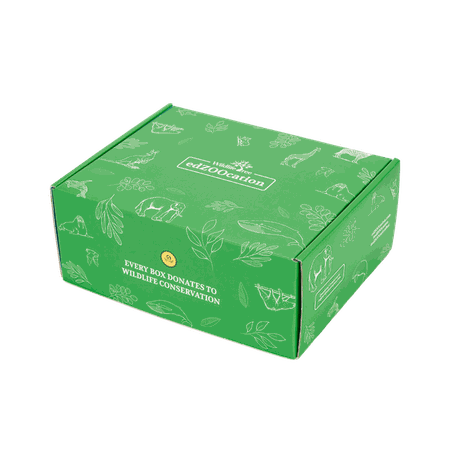
Many families use kids subscription boxes as a way to teach big ideas through hands-on fun. edZOOcation offers monthly kits that blend science, animal knowledge, and conservation education in a playful way. Rather than just reading about endangered species, kids build habitats, learn how different ecosystems work, and discover what helps animals survive.
These experiences show children they can be part of the solution. They get to ask questions, take action, and feel proud of their role as wildlife guardians.
At Home or in the Classroom
Whether you're a parent, teacher, or homeschooler, conservation lessons can fit naturally into your routine:
-
Create a "Green" Corner: Reuse items, grow a small plant, or compost food scraps. Track your progress.
-
Design Animal Posters or Reports: Let students research their favorite animal and how to protect it.
-
Host a Conservation Challenge: Who can go a week without using single-use plastic? What did they learn?
These activities help kids connect the dots between their actions and real-world impact.
Making It Stick
Kids remember what they enjoy. Keep conservation education light, creative, and interactive. Don’t worry about teaching everything at once. One meaningful activity at a time is enough to build lifelong habits.
When children see themselves as part of nature—not separate from it—they become natural advocates. And the more we empower them with knowledge and purpose, the more likely they are to grow into responsible, compassionate adults.
Final Thought
Raising environmentally conscious kids doesn’t mean being perfect. It means showing them that small actions matter. Whether it’s through daily routines, storytelling, or thoughtful tools like educational gifts for kids, each step builds a deeper love and respect for our planet.
The goal isn’t to raise experts. It’s to raise guardians.
0 comments