

Traditional classroom methods often rely heavily on reading and memorization, but today’s students thrive when learning becomes active, creative, and personally meaningful. Teachers and homeschool educators are increasingly turning to hands-on, curiosity-driven activities to make subjects like science and conservation come alive.
One of the most effective ways to do that? Introduce kids to wildlife learning through real-world experiences.

Why Wildlife Sparks Interest
Animals naturally capture kids’ attention. Whether it’s learning about how penguins stay warm or why bees are essential to ecosystems, wildlife provides a relatable, engaging entry point into broader science and environmental topics.
Wildlife learning can support multiple subjects at once—biology, geography, reading comprehension, and even math. A lesson about elephants can lead to a discussion about habitats, followed by a creative writing story or a bar graph on food consumption.
Simple Ideas for the Classroom or Homeschool
Incorporating animal and ecosystem topics doesn’t require a full curriculum overhaul. Here are a few easy ways to integrate wildlife learning:
-
Habitat Dioramas: Let students research and create a model of an animal’s environment.
-
Animal Fact Stations: Set up rotating activity tables with fun facts, visuals, and quiz cards.
-
Nature Journals: Encourage students to document local wildlife or track weather and seasonal changes.
-
Storytime with Purpose: Choose books that highlight conservation themes or endangered species.

Project-Based Learning That Sticks
Hands-on projects give kids ownership of their learning. When students explore a topic through building, experimenting, or storytelling, they retain more and stay engaged longer. Plus, these types of activities naturally support different learning styles.
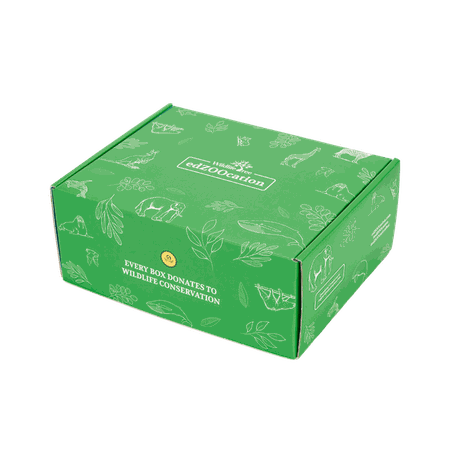
That’s why many educators incorporate tools like kids subscription boxes into their teaching. Programs such as edZOOcation provide ready-made kits focused on animal science and conservation. These boxes are designed for different age groups and offer screen-light, inquiry-based experiences that can be adapted for classrooms or small group instruction.
A teacher might use a box as a springboard for a week-long unit on rainforest animals or as part of a science center rotation. Homeschool parents often use them as hands-on reinforcement for science lessons.
Building Empathy and Awareness
Wildlife education also encourages empathy and global awareness. When kids learn that a species is endangered—and what can be done to help—they begin to understand their role in the world.
One class project might involve “adopting” an animal through a conservation group and tracking its progress. Another might include researching local endangered species and creating informational posters to share with the school community.
Final Thought
The best classrooms aren’t defined by desks and worksheets—they’re defined by curiosity and connection. Wildlife learning offers a powerful way to blend science, creativity, and empathy into every school day.
Whether you're using books, local field trips, or curated tools like educational gifts for kids, you’re helping students not just learn facts, but build a relationship with the natural world.
0 comments